

Benzodiazepine Addiction Treatment Within Our Residential, PHP, IOP, and Virtual IOP Programs
At Foundry Steamboat, benzodiazepine treatment pairs a medically supervised taper with trauma-integrated care, so recovery addresses both the physical dependence and the anxiety, trauma, or sleep problems that often sit underneath it. Because stopping benzodiazepines suddenly can be medically serious, care begins with a clinical assessment that matches you to the safest level of care. Treatment runs across a coordinated continuum, from medically monitored stabilization through residential, PHP, in-person and virtual IOP, and continuing outpatient support.
What Is Benzodiazepine Addiction Treatment?
Benzodiazepine addiction treatment is a coordinated medical and psychological process for safely reducing benzodiazepine use and treating the conditions that drive it. Because the brain adapts to medications like Xanax, Klonopin, Valium, and Ativan over time, stopping abruptly can be dangerous, so treatment starts with a clinical assessment and a medically supervised taper that monitors withdrawal and seizure risk. At Foundry Steamboat, that care is trauma-integrated, meaning the anxiety, panic, or trauma the medication was managing is treated alongside the physical dependence, with psychiatry, therapy, and family programming coordinated by one team rather than the medication addressed on its own.
Why a Medically Supervised Benzodiazepine Taper Matters
Benzodiazepines such as alprazolam (Xanax), clonazepam (Klonopin), diazepam (Valium), and lorazepam (Ativan) change how the brain’s calming (GABA) system works over time. When the medication is reduced too quickly, the nervous system can become overexcited, which is why an abrupt stop can be dangerous and, in some cases, life-threatening.
A gradual, clinician-guided taper is designed to lower that risk. At Foundry Steamboat, physicians and nursing staff set the pace based on your dose, how long you have used, your medical history, and any co-occurring conditions, and they adjust as your body responds.
Risk tends to be higher with long-term or high-dose use, with older age, with liver conditions, and when alcohol or opioids are also involved. A clinical assessment is the safest way to decide whether stabilization should happen in an inpatient setting or through closely monitored outpatient care.
An Introduction to the Foundry Steamboat Men’s Residential Addiction Treatment Program
Gender-specific care makes addiction treatment more effective by tailoring programming around the needs of men and creating a comfortable environment where they feel open and engaged.
Deeply ingrained stigmas about addiction and stereotypes about manhood can be sources of profound stress and cause men to suffer in silence. Much of our work focuses on addressing and dispelling these myths, helping men live happier, more authentic lives.
We also address the common and debilitating problem of trauma and neglect, which men can experience at any point in their lives. Our trauma-integrated approach includes evidence-based modalities such as IFS therapy, which may help reprocess the unresolved memories, emotional triggers, and shame-based beliefs that can drive substance use and relapse.
Our highly experienced clinicians, technicians, nurses, doctors, and case managers are specially trained to maintain an emotionally and physically safe environment where clients feel supported and encouraged to do the hard work of treatment.
We’re here to do the work.
- Rigorous schedule of clinical therapy
- High staff-to-client ratio
- Integrated trauma therapy
- Compassionate and involved care team
- Integrated family program
- Comfortable and distraction-free treatment environment
- High quality ongoing care planning
Who Benzodiazepine Treatment Is For
Because benzodiazepine withdrawal can be medically risky, anyone noticing tolerance, escalating use, or withdrawal symptoms benefits from a clinical assessment. Treatment at Foundry Steamboat commonly fits the following situations.
Long-term prescription dependence
If you have taken a benzodiazepine for weeks or months and now need higher doses to feel normal, care begins with a medical assessment, a clinician-led taper, and therapy that addresses the anxiety or trauma underneath the use.
High-dose dependence
Regular use above what is prescribed, with sedation, memory gaps, or risky behavior, calls for medical evaluation. The team provides monitoring, psychiatry, and therapy designed to lower withdrawal and overdose risk while planning safe next steps.
Combined benzodiazepine and alcohol or opioid use
Using benzodiazepines with alcohol or opioids raises the risk of overdose and slowed breathing. This combination warrants prompt medical assessment and integrated care for the full picture.
Benzodiazepine dependence with co-occurring conditions
When use is tied to anxiety, insomnia, PTSD, or depression, treating the medication alone often falls short. Foundry Steamboat treats substance use and mental health together so recovery can address root causes.

Benzodiazepine Treatment Within Foundry Steamboat’s Trauma-Integrated Care Model
Trauma-integrated is not a label we use loosely. At Foundry Steamboat it determines the shape of the whole plan, including which parts of care come first and how soon the deeper work begins. Rather than sitting beside the addiction treatment, our understanding of trauma runs underneath all of it.
No single order suits everyone. Before recommending trauma processing, the clinical team weighs a person’s trauma history, how steady their nervous system is, where they are in recovery, and what they want out of treatment. Some people are ready for trauma-focused therapy early. For others, the first priority is stability, meaning grounding skills and solid medical and psychiatric support before any deeper processing starts.
In practice, whole-person care runs on several tracks at once: individual and group psychotherapy, psychiatric care, skills-based work such as CBT and DBT, trauma therapies including EMDR and Internal Family Systems, family programming through our Michael Barnes Family Institute work, and continuing care planning that looks past discharge.
Our Benzodiazepine Levels of Care
Care is organized as one connected continuum rather than separate services handed between teams. Your assessment determines where you start, and your plan steps up or down as your risk and stability change.
Medically Monitored Stabilization
For higher-dose or complex cases, or when seizure risk is a concern, stabilization provides close medical and nursing oversight while the taper begins. This is delivered within the continuum of care rather than as a standalone program.
Residential Addiction Treatment
Round-the-clock structure for adult men who need daily clinical support, whose home setting is not safe for tapering, or whose trauma and family dynamics call for focused work. Daily therapy and medical check-ins continue while the taper proceeds at a cautious pace.
Partial Hospitalization Program (PHP)
Full-day clinical care for people who are medically stable but still need intensive daily support. PHP combines medication review, group and individual therapy, and frequent monitoring of rebound anxiety and sleep.
Intensive Outpatient Program (IOP)
Structured outpatient therapy for medically stable clients with a safe home environment. Taper management continues through regular psychiatric visits, alongside relapse prevention and coping-skills work.
We also offer virtual IOP to provide extra flexibility.
Wellness Activities & Recreation
Movement, fitness training, group and individual recreation, and mindfulness all have a place in recovery, and we help clients put them to use. Rebuilding the capacity for strong relationships sits right alongside them.
Continuing Care Planning
Before treatment ends, we build a practical continuing care plan that connects each client to affordable, high-quality providers near home, including physicians, psychiatrists, psychologists, support groups, and other recovery resources.
How the Levels of Care Compare
| Level of care | Typical setting | Medical oversight | Best suited for |
|---|---|---|---|
| Medically monitored stabilization | Inpatient, within the continuum | Continuous nursing and physician oversight | Higher-dose use or elevated seizure risk |
| Men’s residential | Inpatient (adult men) | Daily medical and psychiatric review | Unsafe home setting or intensive trauma work |
| PHP | Day program, live off-site | Daily psychiatry and nursing checks | Medically stable, needs full-day structure |
| In-person IOP | Outpatient | Regular psychiatric visits | Medically stable with a safe home setting |
| Virtual IOP | Telehealth | Telepsychiatry and remote monitoring | Geographic flexibility, stable and lower risk |
Timeframes and pacing are individualized and are not fixed guarantees. Your clinical team sets the pace around your response.
What to Expect: Admissions and Your First Week
Reaching out is often the hardest step. Here is what the process looks like at Foundry Steamboat.
- Phone or telehealth screening. A clinician asks about your benzodiazepine type, dose, how long you have used, other substances, and any past withdrawal, and screens for seizure risk and other red flags.
- Insurance and logistics. The admissions team can run a confidential verification of benefits and explain likely coverage and next steps.
- Comprehensive assessment. On arrival, a full medical and psychiatric evaluation covers history, current medications, co-occurring conditions, and past trauma, since these shape taper pace.
- Personalized plan. Your team recommends a level of care and builds an individualized taper schedule with trauma-integrated support.
- Treatment start and monitoring. Nursing and medical staff monitor withdrawal, adjust symptom relief, and follow a daily schedule of therapy and check-ins.
- First-week review. The team reassesses frequently, slowing the taper or adjusting care if symptoms exceed what is expected, and you leave the week with a clear written safety plan.
- Recent, short-term prescription users often need brief stabilization and a conservative taper. People with long-term, high-dose, or complex conditions commonly need slower tapering over a longer period. These are typical ranges, not guarantees.
Admissions resources
Therapies Used in Benzodiazepine Treatment
Treatment plans typically combine medical management with individual, group, and family work, plus at least one trauma-focused modality matched to your history.
- Psychiatry and medication management: a clinician-guided taper with adjustments to reduce withdrawal, and short-term adjunctive medication when clinically appropriate.
- Cognitive Behavioral Therapy (CBT): skills to challenge anxious thoughts and manage sleep without returning to benzodiazepines.
- Dialectical Behavior Therapy (DBT): distress tolerance and emotional-regulation skills for high-arousal moments.
- EMDR: a trauma-focused approach that can help process memories and triggers that drive sedative use.
- Internal Family Systems (IFS): work with the internal patterns that have leaned on medication for relief.
- Polyvagal-informed and mindfulness practices: nervous-system regulation skills to manage anxiety and craving cues.
- AcuWellness and wellness supports: nonpharmacologic tools such as sleep, movement, and stress management that may ease discomfort and support resilience.
- Family therapy: rebuilding communication and support that can lower relapse risk at home.
Explore therapy options
- Psychotherapy
- EMDR Therapy
- Internal Family Systems (IFS)
- Polyvagal Theory
- Mindfulness in Recovery
- AcuWellness
- Holistic Approach to Healing
Integrated Dual Diagnosis and Mental Health Support
Many people who develop benzodiazepine dependence started with a legitimate prescription for anxiety, panic, or insomnia. Treating the medication without treating the underlying condition is one of the more common drivers of return to use.
We do not treat one and then the other. With our integrated dual-diagnosis approach, psychiatric care, individual and group therapy, trauma therapy, and any needed medication management are handled by one team working from one plan.
What Makes Foundry Steamboat Different
Trauma-Integrated Care Model
Trauma is not an extra service we bolt on. It shapes how our clinicians read a person’s addiction and how the care is built, with the holistic approach keeping every part of that picture in view.
Coordinated Continuum of Care
Detox, men’s residential, PHP, IOP, and Virtual IOP are stages of one connected program rather than separate services handed between teams. Planning for what comes after treatment starts early and shifts as you move forward.
Family Programming Built In
Family support is built into treatment through our Michael Barnes Family Institute work, not offered as an optional extra. Loved ones get structured education and coaching, along with a real role in the recovery rather than a seat on the sidelines.
Gender-Specific Residential, All-Gender Outpatient
Residential care is designed specifically around the recovery needs of adult men, while PHP, IOP, and Virtual IOP are open to adults of all genders. Together they give people more than one way in.
Clinically Serious, Not Lifestyle-Led
This is a clinically intensive program. What we prioritize is evidence-based treatment, coordinated clinical decisions, and attention to how people actually do, rather than amenities or lifestyle branding.
Our Steamboat Springs, Colorado Treatment Center Location
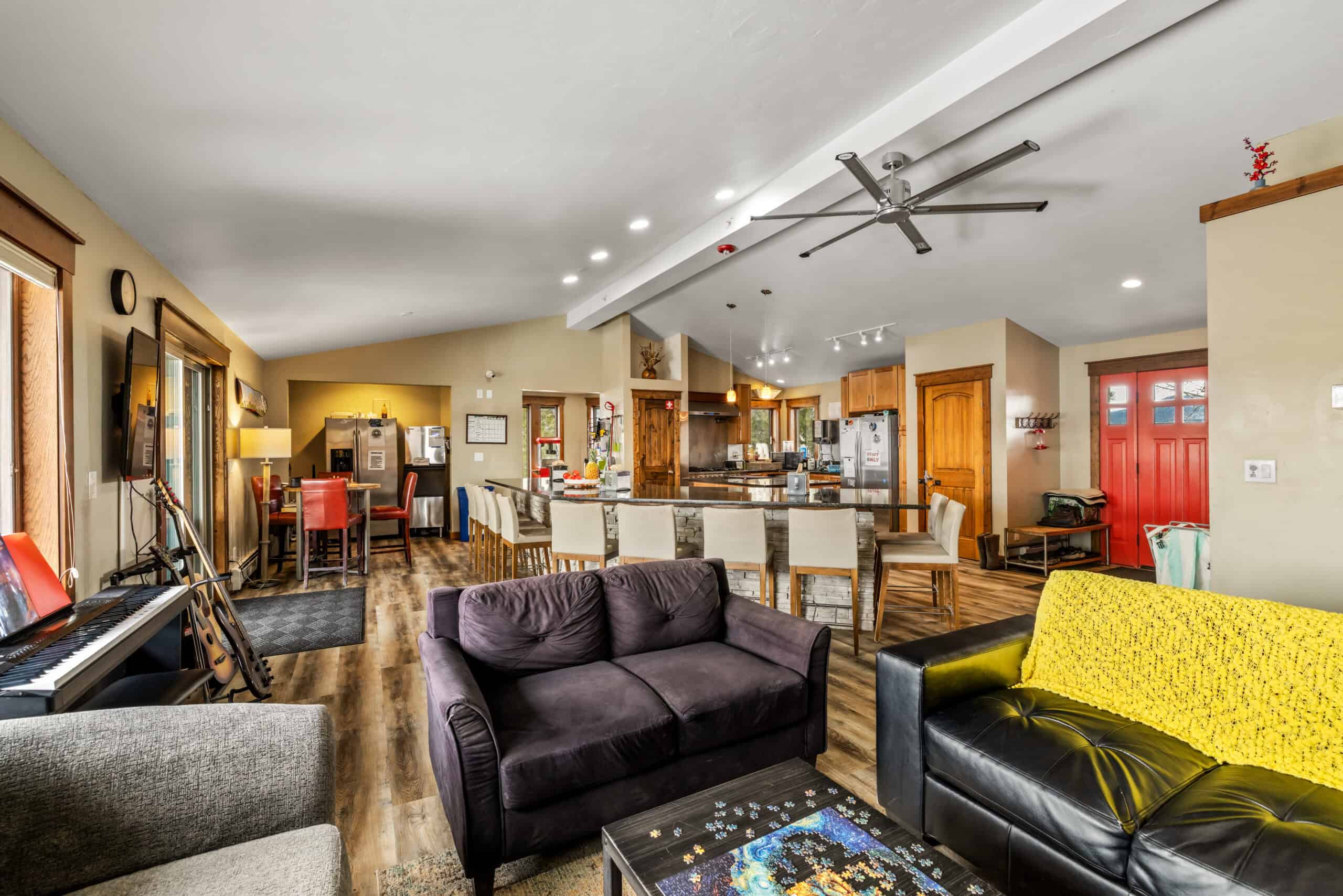
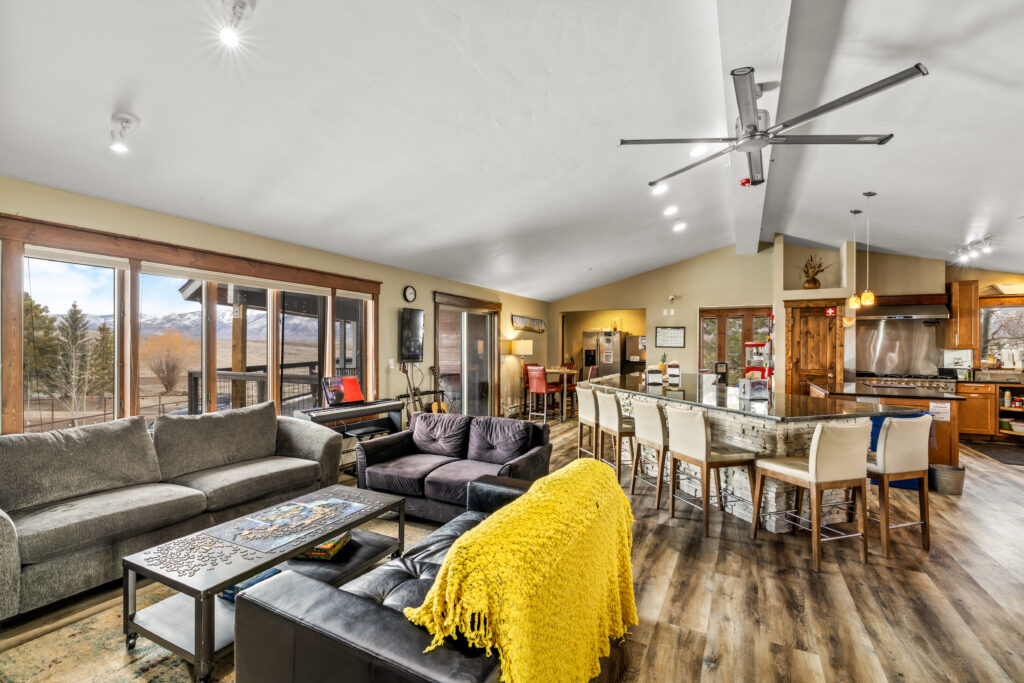
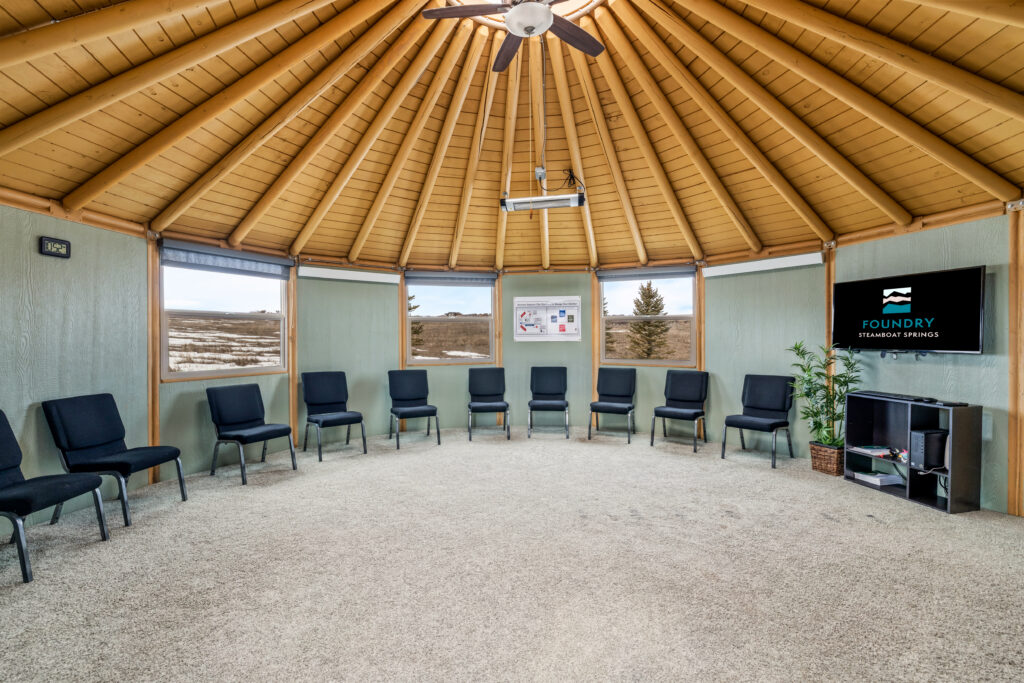
Find peace and support at our beautiful and serene 40-acre ranch-style treatment center in Steamboat Springs, about 30 minutes from the center of town.
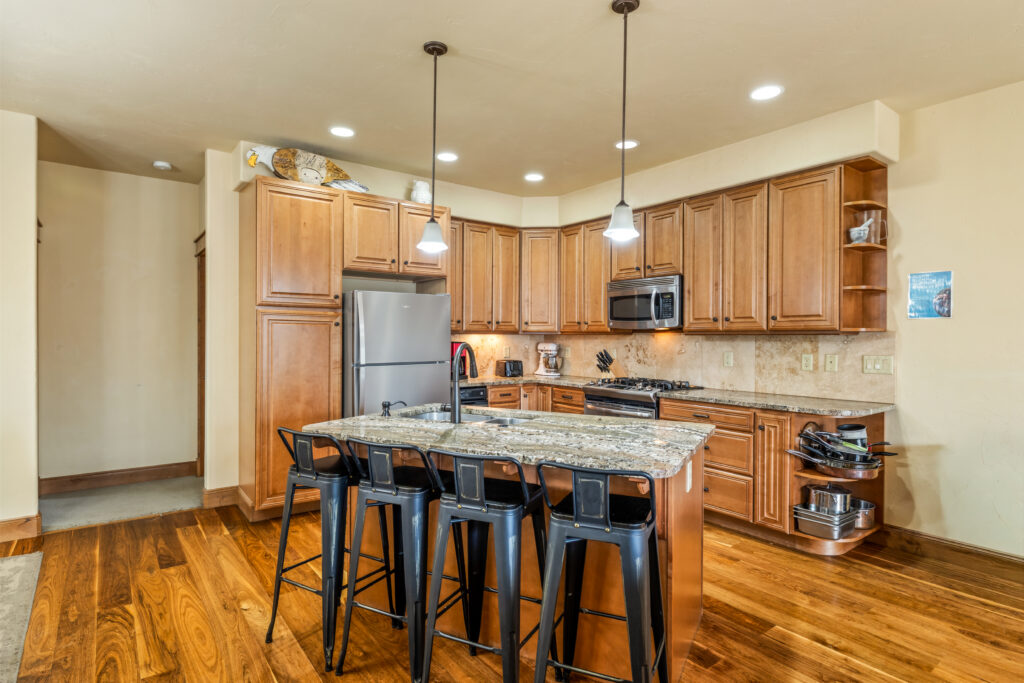
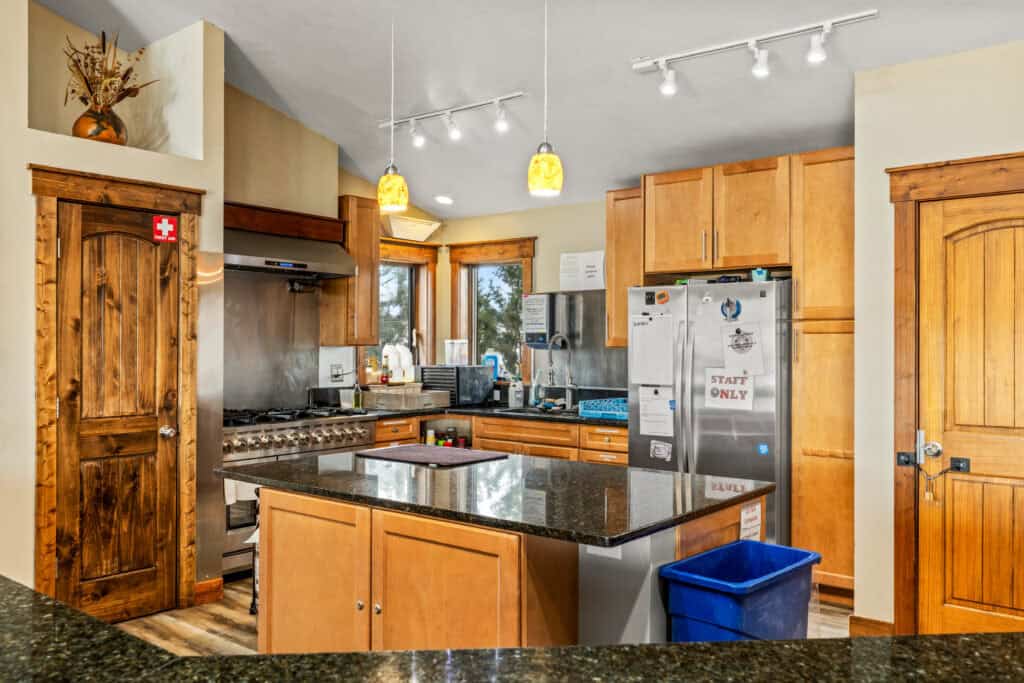
This private and peaceful setting includes a comfortable main residence with ample space, comfortable bedrooms, and a kitchen that creates delicious meals using produce grown in our own gardens and greenhouse.

Testimonials
They saved my life. Now 90 days sober/clean. By far the best clinical and therapeutic care I’ve ever experienced in my life. I had been to drug/alcohol treatment before and this is not the same. The staff and physicians actually care about what happens to you and will fight your insurance for more time. Please understand that not everyone will get 90 days but if you are prepared to pay for it out of pocket please do!!! They will work with you and find a payment plan that works. — C.B.
The Foundry’s beautiful setting is matched by their progressive approach in addressing the complex problem of addiction in a complete holistic program that is flexible and adaptable for anyone and everyone. With resources for those in recovery and also their families The Foundry is an amazing place to start a lifelong healing journey. — X.B.
My perspective is that of a parent whose son was at The Foundry for a short time. His serious mental illness did not allow him to stay, however I can say that the Foundry tried everything they could and eventually did right by all of us and our family. I sincerely wish them well, and they will do well because they have they have the residents’ best interest at heart – which is recovery, from addiction and/or mental illness. — C.C.
Such a truly lovely center. They helped my best friend so much. The staff was so obviously caring and I dont know where he’d be without them — K.L.
Our Steamboat Springs, Colorado Location
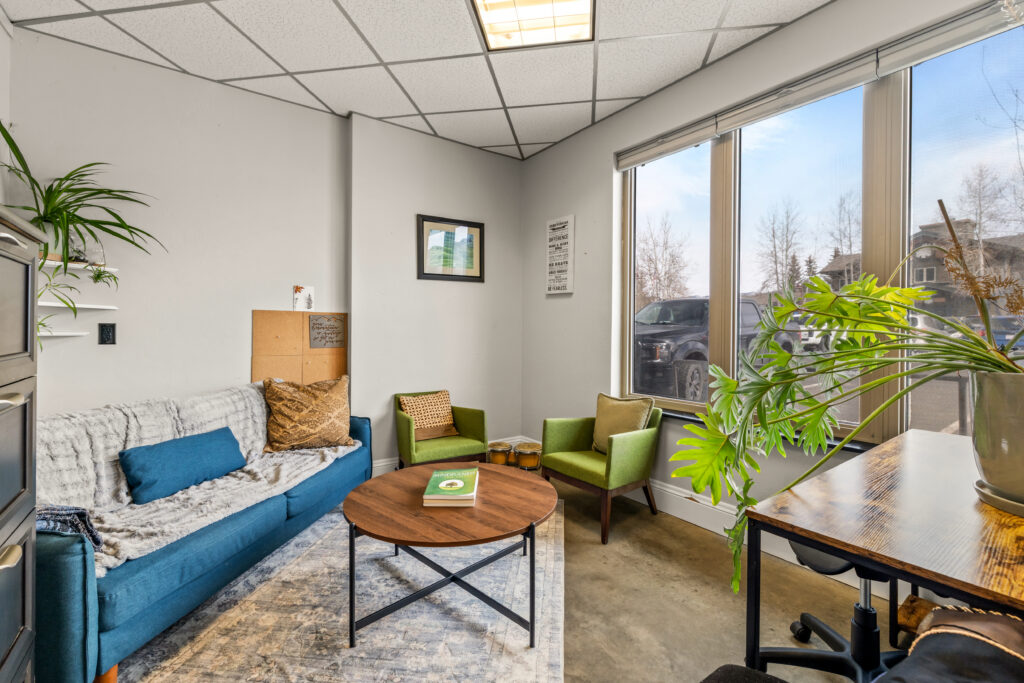
Foundry Steamboat is located at 1915 Alpine Plaza C3, Steamboat Springs, CO 80487, in Northwest Colorado’s Yampa Valley. Our residential program facility sits on a 40-acre ranch-style property about thirty minutes from the center of town, in a structured, recovery-supportive mountain environment. Our outpatient programming is accessible to clients across Colorado, and Virtual IOP extends access to clients who cannot travel to in-person care.
We treat clients from across Colorado, from the Denver and Boulder metro areas, to Colorado Springs, to rural Western Colorado towns, and beyond.


Insurance and Medicaid Coverage for Benzodiazepine Treatment
Foundry Steamboat is in-network with Aetna, Blue Cross Blue Shield, Cigna, Multi-Plan, Rocky Mountain Health, UnitedHealthcare, and proudly accepts all Colorado Medicaid plans. We can work with most major insurance plans.
Please get in touch with an experienced member of our admissions team to verify your insurance benefits, which is a simple and quick process. Foundry Steamboat works with most insurance plans to make its care highly accessible.
Finding out if Foundry Steamboat is covered by your insurance is easy!
Just call us at (844) 955-1066.
Begin Benzodiazepine Addiction Treatment at Foundry Steamboat
Benzodiazepine dependence, and the anxiety or trauma that often sits under it, can be treated. Reaching out costs nothing and commits you to nothing. The admissions team can answer questions, verify your insurance, and help you work out whether residential, PHP, IOP, or virtual IOP is the right place to begin. If Foundry Steamboat is not the right fit, the team can help point you toward care that is.
Learn More
- Help getting a professional referral
- Meet the team at Foundry Steamboat
- Making waves: Foundry in the media
- Mental health and addiction resources on our blog
Frequently Asked Questions About Benzodiazepine Addiction Treatment
Can benzodiazepine withdrawal be dangerous?
It can be. After long-term or high-dose use, stopping suddenly can lead to severe symptoms, including seizures, which is why medical oversight is advised. Risk is higher with older age, liver conditions, and concurrent alcohol or opioid use. A clinical assessment helps determine the safest setting for a taper.
Do I need medical detox for benzodiazepines?
It depends on your dose, how long you have used, your medical history, and any co-occurring conditions. Higher-risk situations usually call for closely monitored inpatient stabilization, while some lower-dose, short-term users with strong support may taper through structured outpatient care. A clinician makes that call after an assessment.
How long does a benzodiazepine taper take?
Most tapers take weeks to months, and long-term or high-dose cases often take longer. A slower, individualized taper is designed to lower withdrawal intensity and seizure risk. The pace is set around your symptoms and stability, not a fixed calendar.
Can I taper off benzodiazepines at home?
For a small group of low-dose, short-term users with strong support and rapid access to care, a very gradual outpatient taper may be reasonable with frequent clinician check-ins. Many people face risks that make an unsupervised home taper unsafe. Any tremor, confusion, hallucinations, or seizure activity needs immediate medical care.
Will my insurance cover benzodiazepine treatment?
Many plans cover medically necessary detox and addiction care, though coverage varies by plan and level of care. Foundry Steamboat can verify your benefits, confirm in-network status, and explain likely out-of-pocket costs before you decide.
Can benzodiazepine dependence be treated alongside other mental health conditions?
Yes, and integrated treatment is one of the strengths of the program. Anxiety, PTSD, depression, and insomnia frequently occur with benzodiazepine use, and treating them together with coordinated psychiatry and therapy supports safer tapering.
What is the difference between residential and outpatient benzodiazepine care?
Residential provides round-the-clock structure and daily medical oversight, which suits higher-risk or unsafe home setting. Outpatient care (PHP, IOP, and virtual IOP) suits medically stable people who can taper safely while living at home. Foundry Steamboat coordinates both so care can move as your needs change.
Does Foundry Steamboat treat adults of all genders?
The residential program is designed for adult men. PHP, IOP, and virtual IOP are open to adults of all genders.