

Horticultural Therapy Within Our In-Person Addiction Treatment Programs
Horticultural therapy is one of the wellness components woven into Foundry Steamboat’s holistic, trauma-integrated program. On our 40-acre ranch in Steamboat Springs, time spent working the land and the greenhouse gives clients structure, movement, and a sense of purpose alongside the clinical care that anchors recovery. It is offered within our on-site, in-person programming as a complement to treatment—not as a replacement for it.
Our team integrates horticultural therapy alongside comprehensive residential treatment and detox support, psychiatric care, individual and group psychotherapy, and family programming—a coordinated approach designed to address addiction at every layer.
What Is Horticultural Therapy?
Horticultural therapy (sometimes called horticultural or farm-based therapy) uses hands-on work with plants, soil, and the rhythms of growing things as a structured, restorative activity. In behavioral health settings it is widely used to support engagement, routine, physical activity, and a sense of accomplishment during treatment.
The evidence base for nature- and garden-based activities points most clearly to benefits like reduced stress, improved mood, and stronger program engagement. Research linking agricultural therapy specifically to substance-use outcomes is limited and still developing, which is why we treat it as a wellbeing support rather than a clinical intervention. At Foundry Steamboat, it sits inside a broader, evidence-based treatment plan—never on its own.
Horticultural therapy treatment may help reduce trauma-related symptoms that often accompany addiction and substance use disorders, though research specific to substance use outcomes is still developing.
Why We Include Horticultural Therapy in a Holistic Program
For many people, the early weeks of recovery are defined by empty time and a nervous, restless mind. A full, purposeful day matters. Working outdoors gives the day shape, gives the body something to do, and gives clients small, visible wins: a planted bed, a tended row, a harvest that ends up on the table.
That kind of grounded, hands-on activity isn’t a cure for anything. But it can make treatment more livable and more engaging, and it offers a healthy alternative to the patterns substance use once filled. At Foundry Steamboat, it’s one of several ways we help clients rebuild a daily life worth staying sober for.
Trauma-driven addiction does not resolve in a single setting, and agricultural therapy is most effective when it is reinforced across the full continuum of care.
An Introduction to the Foundry Steamboat Men’s Residential Addiction Treatment Program
Gender-specific care makes addiction treatment more effective by tailoring programming around the needs of men and creating a comfortable environment where they feel open and engaged.
Deeply ingrained stigmas about addiction and stereotypes about manhood can be sources of profound stress and cause men to suffer in silence. Much of our work focuses on addressing and dispelling these myths, helping men live happier, more authentic lives.
We also address the common and debilitating problem of trauma and neglect, which men can experience at any point in their lives. Our trauma-integrated approach includes evidence-based modalities such as agricultural therapy, which may help regulate our sense of safety, connection, and threat.
Our highly experienced clinicians, technicians, nurses, doctors, and case managers are specially trained to maintain an emotionally and physically safe environment where clients feel supported and encouraged to do the hard work of treatment.
We’re here to do the work.
- Rigorous schedule of clinical therapy
- High staff-to-client ratio
- Integrated trauma therapy
- Compassionate and involved care team
- Integrated family program
- Comfortable and distraction-free treatment environment
- High quality ongoing care planning
How Horticultural Therapy Supports Wellbeing in Recovery
These are wellbeing benefits, not clinical addiction-treatment outcomes. They describe what many clients experience during a full, engaged day in treatment — not a guarantee, and not a substitute for clinical care.
1. Structure and routine. A scheduled, hands-on activity gives the day a predictable shape, which many people find steadying in early recovery.
2. Physical activity and time outdoors. Movement, fresh air, and sunlight are simple supports for sleep, mood, and overall wellbeing.
3. A sense of purpose and accomplishment. Tending something living and seeing it grow offers small, concrete wins at a time when self-worth is often low.
4. A calmer environment. Quiet, repetitive outdoor work can be a low-pressure setting to be present and decompress between clinical sessions.
5. Connection with peers and staff. Shared work is a natural, low-stakes way to build the relationships that make a recovery community feel real.
6. A healthy alternative. Learning to fill time with engaging, restorative activity is part of building a sustainable daily life beyond treatment.
These benefits are supportive, not guaranteed, and they’re meaningful only because they sit alongside the clinical, medical, and family support our programs provide.
When Horticultural Therapy Fits in Your Care
Stabilization comes first. If a client is in acute withdrawal or crisis, the early focus is on medical care, safety, and stabilization. Participation in agricultural therapy and other wellness activities becomes appropriate once a baseline of stability is in place.
It’s voluntary and adaptable. No one is required to take part for their treatment to be complete.
It complements, but does not replace, treatment. The clinical work (therapy, psychiatric care, medical support, family programming, and continuing care) remains the foundation. Horticultural therapy adds to that container; it isn’t a stand-in for any of it.

Horticultural Therapy Within Foundry Steamboat’s Holistic Care Model
Foundry Steamboat is a trauma-integrated treatment program. Trauma is not treated as a side issue or an add-on track, it is a central organizing principle of how our clinicians think about addiction. That orientation shapes when and how we use horticultural therapy.
Rather than slotting agricultural therapy into a generic schedule, our clinical team evaluates each client’s trauma history, nervous system stability, recovery stage, and goals before recommending trauma processing work. For some clients, agricultural therapy is appropriate early in care. For others, the more important first step is stabilization, building grounding skills, strengthening regulation tools, and getting medical and psychiatric support fully in place before targeted memory processing begins.
Horticultural therapy at Foundry Steamboat is offered alongside individual and group psychotherapy, psychiatric care, evidence-based modalities such as CBT and DBT, family programming through our Michael Barnes Family Institute work, and continuing care planning.
Where Horticultural Therapy Fits in Your Continuum of Care
Horticultural therapy is available within several of Foundry Steamboat’s levels of care. The right starting point depends on the severity of substance use, the presence of co-occurring mental health conditions, the stability of the home environment, and the client’s history with prior treatment. Our admissions team can help you understand which level of care fits your situation.
Residential Addiction Treatment
Our men’s residential program in Steamboat Springs provides 24/7 clinical and medical support in a structured, distraction-free setting. For men whose substance use is moderate to severe, whose nervous systems need stabilization before trauma work, or whose home environments are not yet supportive of recovery, residential care creates the foundation agricultural therapy may later build on.
Partial Hospitalization Program (PHP)
PHP offers intensive day treatment for clients who need a structured clinical container while transitioning out of residential or stepping up from outpatient care.
Horticultural therapy within PHP can be sequenced alongside individual therapy, group work, and continuing psychiatric support.
Wellness Activities & Recreation
At Foundry Steamboat, we help men learn how to use movement, sitness training, individual and group recreation, and mindfulness.
Learn to redevelop strong relationships is also an essential part of our care.
Continuing Care Planning
We strive to develop comprehensive and practical continuing care plans allowing men to access affordable, high-quality doctors, psychiatrists, psychologists, support groups, and other recovery resources close to home.
What Horticultural Therapy Looks Like at Foundry Steamboat
Foundry Steamboat is a clinically serious, trauma-integrated treatment program. Our care model prioritizes evidence-based treatment and coordinated clinical decision-making—not amenity-led positioning. Wellness components like horticultural therapy earn their place because they support engagement and quality of life during treatment, not because they replace it.
Who Is Horticultural Therapy For?
Horticultural therapy can be a good fit for a wide range of clients in our program. It tends to resonate most with people who:
- Do better with their hands busy: Those who find hands-on, physical activity more grounding than sitting still.
- Respond to routine: Clients who benefit from a predictable, structured day.
- Want time outdoors: People who feel steadier with fresh air, movement, and a change of environment between clinical sessions.
- Are rebuilding a sense of purpose: Those for whom small, tangible accomplishments help restore confidence.
If you’re unsure whether it’s a fit, our admissions team can walk you through the day-to-day of our program.
Horticultural Therapy and Co-Occurring Conditions
Many of the adults we treat are managing a co-occurring mental health condition alongside substance use. Our integrated, trauma-aware care addresses both together.
Horticultural therapy is a complementary wellbeing component within that integrated care—not a treatment for any mental health condition on its own. For clients also receiving co-occurring care, a calm, structured, engaging activity can make a demanding treatment day more manageable.
Treating either side in isolation tends to produce fragile results; integrated, trauma-aware care has been associated with better engagement and may support more durable recovery.
What Makes Foundry Steamboat Different
Trauma-Integrated Care Model
Trauma is not a supplementary track in our programming. It is central to how our clinicians understand addiction and how our care is structured. Horticultural therapy is one of several modalities that fit this approach.
Coordinated Continuum of Care
Detox, men’s residential, PHP, IOP, and Virtual IOP are connected components of a single program—not siloed services. Your continuing care plan begins early and adapts as you progress.
Family Programming Built In
Through our Michael Barnes Family Institute work, family systems support is part of treatment rather than an optional add-on. Loved ones receive structured education, coaching, and the chance to participate in recovery alongside the client.
Gender-Specific Residential, All-Gender Outpatient
Our men’s residential program is built around the specific recovery needs of adult men. Our PHP, IOP, and Virtual IOP programs serve adults of all genders, creating a portfolio that meets clients where they are.
Clinically Serious, Not Lifestyle-Led
Foundry Steamboat is a clinically intensive program. Our care model prioritizes evidence-based treatment, coordinated clinical decision-making, and outcomes awareness over amenity-led positioning.
Our Steamboat Springs, Colorado Treatment Center Location
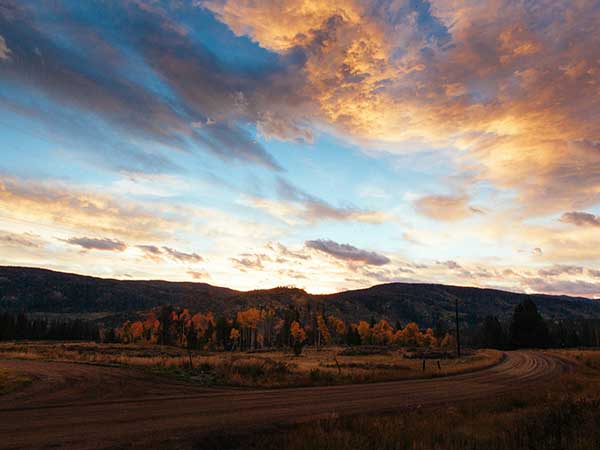
Find peace and support at our beautiful and serene 40-acre ranch-style treatment center in Steamboat Springs, about 30 minutes from the center of town.
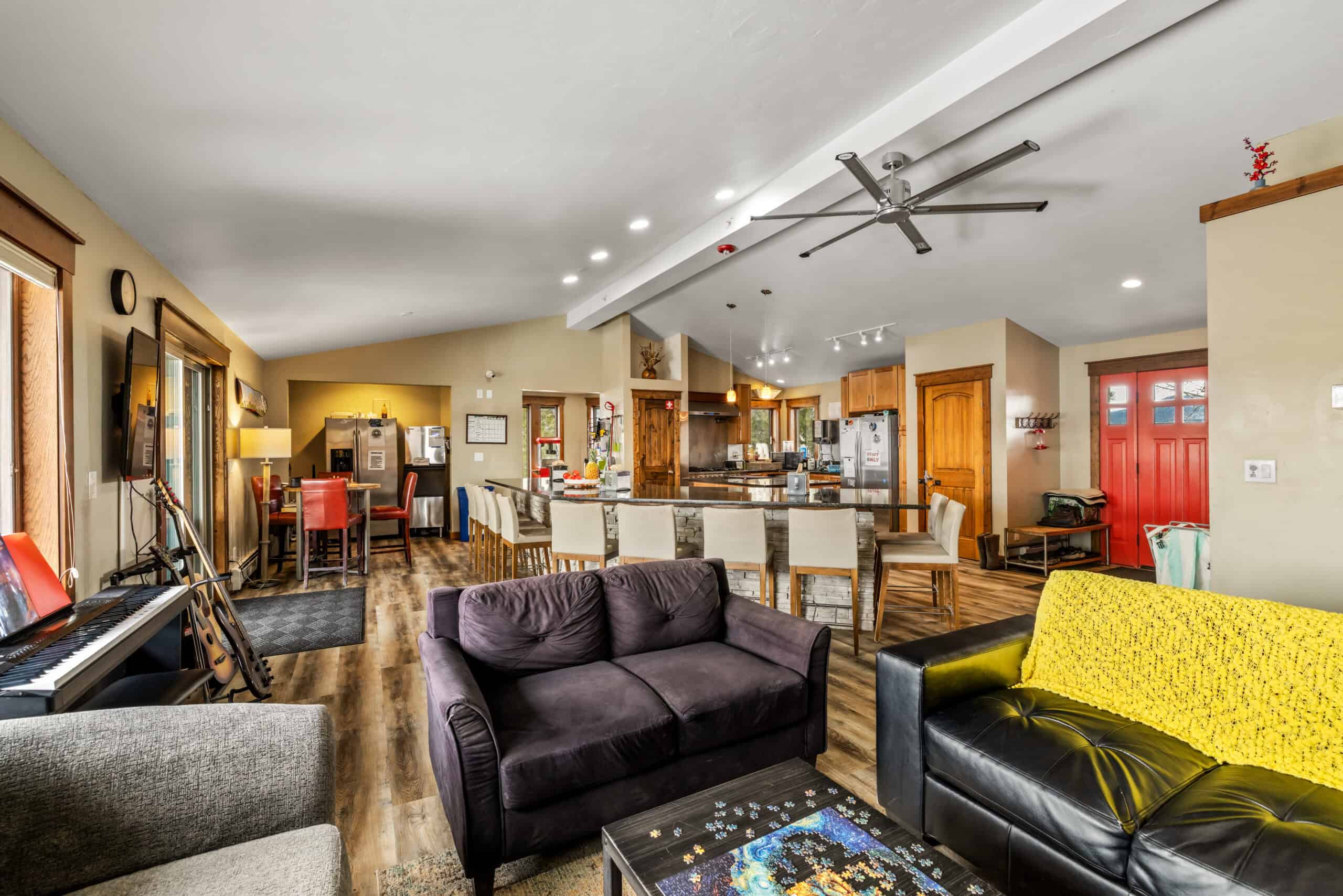
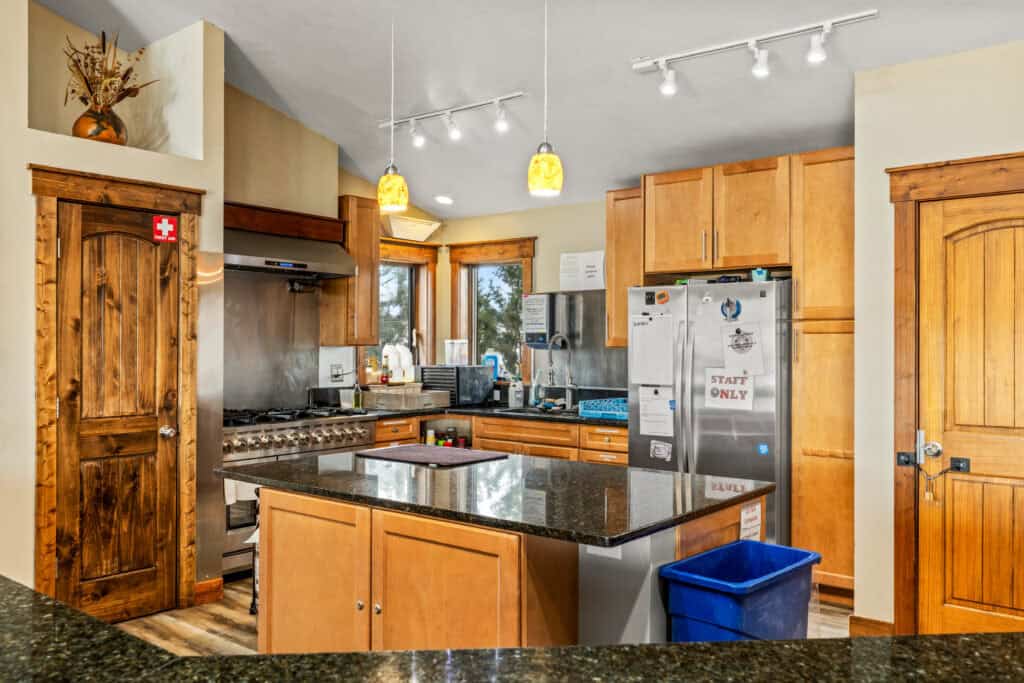
This private and peaceful setting includes a comfortable main residence with ample space, comfortable bedrooms, and a kitchen that creates delicious meals using produce grown in our own gardens and greenhouse.
Testimonials
They saved my life. Now 90 days sober/clean. By far the best clinical and therapeutic care I’ve ever experienced in my life. I had been to drug/alcohol treatment before and this is not the same. The staff and physicians actually care about what happens to you and will fight your insurance for more time. Please understand that not everyone will get 90 days but if you are prepared to pay for it out of pocket please do!!! They will work with you and find a payment plan that works. — C.B.
The Foundry’s beautiful setting is matched by their progressive approach in addressing the complex problem of addiction in a complete holistic program that is flexible and adaptable for anyone and everyone. With resources for those in recovery and also their families The Foundry is an amazing place to start a lifelong healing journey. — X.B.
My perspective is that of a parent whose son was at The Foundry for a short time. His serious mental illness did not allow him to stay, however I can say that the Foundry tried everything they could and eventually did right by all of us and our family. I sincerely wish them well, and they will do well because they have they have the residents’ best interest at heart – which is recovery, from addiction and/or mental illness. — C.C.
Such a truly lovely center. They helped my best friend so much. The staff was so obviously caring and I dont know where he’d be without them — K.L.
Our Steamboat Springs, Colorado Location
Foundry Steamboat is located at 1915 Alpine Plaza C3, Steamboat Springs, CO 80487, in Northwest Colorado’s Yampa Valley. Our residential program facility sits on a 40-acre ranch-style property about thirty minutes from the center of town, in a structured, recovery-supportive mountain environment. Our outpatient programming is accessible to clients across Colorado, and Virtual IOP extends access to clients who cannot travel to in-person care.
We treat clients from across Colorado, from the Denver and Boulder metro areas, to Colorado Springs, to rural Western Colorado towns, and beyond.




Insurance and Medicaid Coverage for Horticultural Therapy Treatment
Foundry Steamboat is in-network with Aetna, Blue Cross Blue Shield, Cigna, Multi-Plan, Rocky Mountain Health, UnitedHealthcare, and proudly accepts all Colorado Medicaid plans. We can work with most major insurance plans.
Please get in touch with an experienced member of our admissions team to verify your insurance benefits, which is a simple and quick process. Foundry Steamboat works with most insurance plans to make its care highly accessible.
Finding out if Foundry Steamboat is covered by your insurance is easy!
Just call us at (844) 955-1066.
Horticultural Therapy Within a Coordinated, Evidence-Based Treatment Plan
Lasting recovery is built on a coordinated plan that addresses substance use, mental health, family systems, and the practical realities of returning to daily life. At Foundry Steamboat, horticultural therapy sits alongside that clinical core, which includes:
- Individual and group psychotherapy
- Psychiatric care and medication management when appropriate
- Evidence-based modalities such as CBT and DBT
- Family programming, including the Michael Barnes Family Institute
- Nutritional support, movement, and wellness programming
- Continuing care planning that begins on your first day
The point is integration. Recovery is not a sequence of disconnected services; it’s a single direction of care. Horticultural therapy is one supportive thread in that plan—meaningful because of what surrounds it.
Begin Treatment at Foundry Steamboat
Substance use and the trauma that often sits beneath it are treatable. There is never a wrong time to seek help, and there is no obligation in reaching out. Our admissions team can answer your questions, verify your insurance, and help you understand whether residential, PHP, IOP, or Virtual IOP is the right starting point.
If Foundry Steamboat is not the right fit, our team will help you identify an appropriate alternative. Either way, the next conversation does not have to be a commitment, it can simply be a place to start.
Next Steps
- Our straightforward admissions process
- What to bring to treatment at Foundry Steamboat
- Help getting a professional referral
- Meet the team at Foundry Steamboat
- Making waves: Foundry in the media
- Mental health and addiction resources on our blog
Meet Our Wellness Program Director
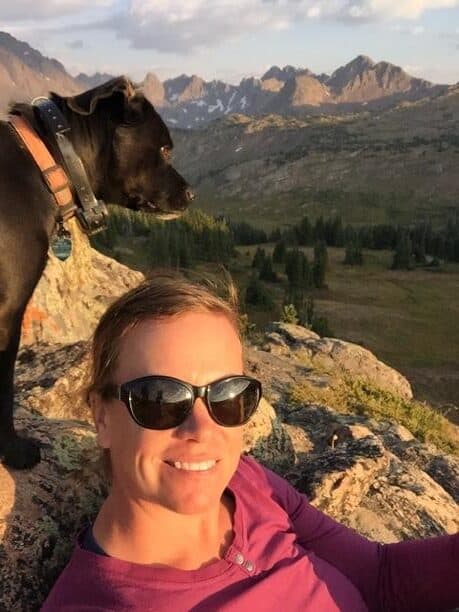
Kim Brooks, CAT, AAT
Kim Brooks has been with the Foundry in Steamboat Springs since 2015. As Wellness Director, she engages clients in activities to foster whole body wellness with the goal of creating lasting interests and habits that lead to a fulfilling life. Kim enjoys continuously learning and growing and loves being outside, whether it’s pushing her physical limits in endurance sports or finding solace deep in Wilderness Areas. She believes that remaining curious and finding wonder in daily life is important in countering the stresses that our modern lives bring.
Frequently Asked Questions About Horticultural Therapy
Here are some questions people also ask about horticultural therapy for addiction treatment and trauma-informed therapy frameworks more generally.
Is horticultural therapy a treatment for addiction?
No. Horticultural therapy is a complementary, wellbeing-focused part of our holistic program: it supports structure, engagement, and quality of life during treatment. It is not a standalone treatment for substance use, and it works only alongside the clinical, medical, and family care that anchors recovery.
Do I need any farming or gardening experience?
No. The activities are accessible to beginners.
Is horticultural therapy available in outpatient programs?
Because it’s a land-based, in-person activity on our Steamboat Springs ranch, it is not part of our Virtual IOP. Our admissions team can explain how it fits each level of care.
Will my insurance cover it?
Horticultural therapy is included as part of your level of care, not billed separately. Insurance plans cover the level of care (residential, PHP, or IOP) and the clinical services within it. Our admissions team can verify exactly what your plan covers.
Is horticultural therapy scientifically proven to treat addiction?
The strongest evidence for garden- and nature-based activities points to benefits like reduced stress, improved mood, and better engagement. Evidence linking it specifically to substance-use outcomes is limited and still developing, which is why we offer it as a supportive wellness component within an evidence-based treatment plan, not as a clinical intervention.