

We offer compassionate, evidence-based care for cannabis addiction treatment. Our residential treatment center helps adult men and women reclaim their lives through medically supported, evidence-based care. The Foundry Steamboat residential treatment program combines time-tested clinical best practices with trauma therapies and experiential programming, providing clients with high-quality, personalized treatment that helps them achieve and maintain lasting recovery.
Our team of licensed and experienced professionals works closely with each person in our care to gain a foothold in sustainable recovery and improved health and wellbeing.

What is Cannabis Use Disorder?
Cannabis Use Disorder (CUD) is the correct clinical term for what is commonly referred to as cannabis addiction or marijuana dependence. This chronic but treatable medical condition alters brain chemistry, behavior, and physical health. It develops gradually, often without clear boundaries between recreational use, misuse, and dependency.
Clinically, CUD is diagnosed using several criteria, including cravings, loss of control, tolerance, and continued use despite negative consequences. But behind those clinical markers are human experiences: the struggle to stop, the anxiety of withdrawal, and the hope for a better quality of life.
Recognizing Cannabis Addiction Signs and Symptoms
No two people experience cannabis addiction (or any substance addiction) the same way. Early detection of these symptoms can enable people to seek treatment sooner, reduce the negative effects of living with this disease, and potentially even save lives.
Physical Signs
- Increased tolerance or needing to use larger amounts to feel the same effects
- Red eyes, dry mouth, or changes in appetite and weight
- Sleep disturbances, fatigue, or persistent low energy
- Frequent respiratory issues or weakened immune function
- Difficulty with coordination or memory
Behavioral Signs
- Hiding cannabis use or using in secret
- Being late or missing work or family obligations
- High-risk behaviors such as driving while impaired
- Spending excessive time obtaining, using, or recovering from cannabis
- Experiencing arguments, conflicts, or isolation due to cannabis use
Emotional Signs
- Mood swings, anxiety, or depression
- Guilt or shame related to use
- Denial or defensiveness when confronted
- Using cannabis to cope with stress or difficult emotions
- Feeling restless or emotionally flat when not using
- Loss of interest in activities that once brought joy
If these signs seem familiar, please know that you are not alone. Cannabis use disorder is among the most common forms of substance use disorder, and treatment is effective. The first step is acknowledging that you or a loved one wishes to make a change in their cannabis use and seeing high-quality treatment as a path to recovery.

Risks of Untreated Cannabis Addiction
Without treatment, cannabis addiction can have severe and lasting effects on the body and mind. Chronic cannabis use is associated with respiratory problems, cardiovascular risk, and significant disruption to brain development, particularly in those who began using at a young age. Long-term heavy use can also lead to cognitive impairment, memory difficulties, and motivational deficits.
Emotionally, untreated cannabis addiction often results in worsening anxiety, depression, and social withdrawal. Relationships suffer, careers stall, and self-worth declines. Over time, cannabis use becomes a painful symptom of deeper, unresolved pain.
Early intervention dramatically improves outcomes. Comprehensive cannabis treatment provides the medical stabilization, psychological and peer support, and structure needed to restore physical, emotional, and spiritual balance.
Our Comprehensive Approach to Cannabis Treatment
Recovery from cannabis addiction requires more than willpower, though a strong desire to change helps significantly. Effective treatment requires a comprehensive plan, a strong therapeutic alliance with a multidisciplinary treatment team, and a safe and supportive environment in which to heal and learn new skills. Our comprehensive program integrates medical, psychiatric, psychological, and wellness care to address the whole-person effects of addiction and its underlying causes.
1. Medical Detox & Stabilization
Medical detoxification is often the first step in CUD treatment. While cannabis withdrawal is not typically life-threatening, it can involve significant discomfort, including anxiety, irritability, sleep disruption, and cravings. Our medically supervised detoxification program helps people safely and comfortably stop using cannabis and establish a stable baseline from which to engage in comprehensive treatment.
2. Residential Treatment
Once stabilized, clients begin the deeper work of recovery. Our residential program provides an especially intensive level of individual therapy, group therapy sessions, trauma work, family programming, and recreation and wellness activities. Each treatment plan is individualized to the needs of patients and delivered by passionate clinicians, case managers, and support team members.
3. Dual Diagnosis & Mental Health Integration
People experiencing cannabis addiction often develop or worsen conditions such as anxiety, depression, and psychosis. Many also experience trauma or have a history of mental health challenges, which can make it difficult to access one’s emotions and receive the full benefits of treatment. Foundry Steamboat specializes in dual diagnosis treatment, which simultaneously addresses the medical condition of addiction and its co-occurring mental health disorders. This integrated approach is critical for long-term success.
4. Evidence-Based Therapies
We utilize a combination of proven clinical interventions, including Cognitive Behavioral Therapy (CBT), Dialectical Behavior Therapy (DBT), Motivational Interviewing, Somatic Experiencing, EMDR, and Gestalt therapies. Clients also engage in the Michael Barnes Family Institute family program, relapse prevention training, and skill-building exercises that promote resilience and recovery-oriented lifestyles.
5. Wellness & Experiential Therapies
Lasting recovery depends on reconnecting mind, body, and spirit. Our wellness program includes yoga, mindfulness and meditation, nutritional counseling, and outdoor recreation, all of which foster the ability to naturally regulate one’s emotions.
Why Choose Our Cannabis Recovery Center
Our center is led by a multidisciplinary team of exceptionally experienced addiction specialists, therapists, and medical professionals dedicated to delivering compassionate care and helping individuals and families find recovery. We blend intensive clinical therapies with a friendly, casual, and gender-specific milieu that helps each man we serve feel safe, welcome, and supported.
Clients and families trust us because we offer:
- Our Trauma-Integrated Care model
- Gender-specific CUD treatment for men
- A safe, supportive, and judgment-free treatment environment
- 24-hour clinical and emotional support
- Personalized treatment planning and progress tracking
- Continuing care and alumni support
Every client’s journey is unique. Our goal is to help them leave treatment not only free from Cannabis Use Disorder, but equipped with the insight, confidence, and tools to sustain recovery in everyday life.
The Recovery Journey: What to Expect
Recovery is a series of milestones, each building on the last. At Foundry Front Range, clients move through a progressive process:
1. Detox and Stabilization
Safely clearing the body of substances while preparing for therapy.
2. Treatment and Healing
Exploring the emotional roots of addiction, addressing trauma and family dysfunction, and developing rounded coping strategies.
3. Continuing Care
Continuing therapy, building healthy habits, and rejoining community life with confidence.
Modalities for Addiction Treatment at Foundry Steamboat
Foundry Steamboat draws on a diverse range of evidence-based and holistic treatment modalities to address the full complexity of addiction and support lasting recovery.
Polyvagal Theory
Polyvagal Theory, developed by Dr. Stephen Porges, explains how the autonomic nervous system governs our sense of safety, connection, and threat response. In addiction treatment, this framework helps clients understand why their bodies react the way they do to stress, trauma, and relational cues. By learning to recognize and regulate these nervous system states, clients can develop healthier responses to triggers that may have previously driven substance use.
Somatic Experiencing
Somatic Experiencing (SE) is a body-centered therapeutic approach developed by Dr. Peter Levine to help individuals process and release trauma stored in the body. Rather than focusing solely on thoughts or memories, SE guides clients to notice physical sensations and gently work through unresolved stress responses. This approach is particularly valuable in addiction recovery, as many individuals use substances to numb or escape the physical discomfort that unprocessed trauma creates.
IFS (Internal Family Systems)
Internal Family Systems (IFS) is a therapeutic model developed by Dr. Richard Schwartz that views the mind as made up of distinct “parts,” each with its own role, perspective, and protective function. In the context of addiction, IFS helps clients identify the parts of themselves that rely on substances (often as a way to protect against pain, fear, or shame) and develop compassionate understanding of those parts. By reconnecting with a calm, centered “Self,” clients can begin to heal inner conflicts that fuel addictive behavior.
EMDR Therapy
Eye Movement Desensitization and Reprocessing (EMDR) is an evidence-based psychotherapy originally developed to treat post-traumatic stress disorder. It uses bilateral sensory stimulation (such as guided eye movements) to help the brain reprocess distressing memories that are stored in a fragmented or overwhelming way. For individuals in addiction recovery, EMDR can be a powerful tool for resolving the underlying trauma that often sits at the root of substance use.
Schemas Therapy
Schema therapy focuses on identifying deep-rooted patterns of thought, feeling, and behavior (called schemas) that develop in childhood and continue to shape how a person experiences the world as an adult. Many individuals struggling with addiction carry schemas such as abandonment, shame, or emotional deprivation that make them vulnerable to using substances as a coping mechanism. By recognizing and challenging these patterns, clients can begin to meet their core emotional needs in healthier, more sustainable ways.
Mindfulness in Recovery
Mindfulness is the practice of bringing intentional, non-judgmental awareness to the present moment, including thoughts, emotions, and bodily sensations. In addiction recovery, mindfulness helps clients create space between a craving and a response, reducing the automatic, impulsive nature of substance use. Regular mindfulness practice has been shown to reduce stress, improve emotional regulation, and strengthen the self-awareness needed to navigate the challenges of long-term recovery.
Holistic Approach to Healing
A holistic approach to addiction treatment recognizes that lasting recovery requires more than abstinence; it requires healing across every dimension of a person’s life. At Foundry Steamboat, this means addressing the physical effects of substance use, the emotional wounds that drive it, and the deeper sense of meaning and connection that sustains recovery. By treating the whole person rather than the symptom alone, clients are better equipped to build a life they genuinely want to live sober.
Horticultural Therapy
Horticultural therapy uses structured, plant-based activities, such as gardening, planting, and caring for living things, as a therapeutic tool to support healing and well-being. The process of nurturing growth in a garden can mirror the internal work of recovery, offering clients a tangible, grounding experience of patience, responsibility, and renewal. Research supports its ability to reduce anxiety and depression, improve mood, and foster a sense of accomplishment that builds self-esteem during treatment.
Acuwellness
Acuwellness integrates principles of acupuncture and acupressure to support the body’s natural healing processes during addiction recovery. By targeting specific points on the body, this practice can help reduce withdrawal symptoms, ease anxiety, improve sleep, and restore a sense of physical balance. As a gentle, non-invasive complement to clinical therapies, acuwellness helps clients reconnect with and care for their bodies in a nurturing, intentional way.
Trauma-Integrated Care
Trauma-integrated care is an approach that recognizes the profound role trauma plays in the development and continuation of addiction. Rather than treating substance use in isolation, this model ensures that trauma is acknowledged, assessed, and addressed as a central part of the recovery process. At Foundry Steamboat, trauma-informed principles are woven throughout every aspect of treatment, creating a safe and compassionate environment where clients can heal without fear of retraumatization.
Dual Diagnosis & Co-Occurring Conditions
Cannabis addiction often overlaps with other mental health challenges. Conditions like anxiety, depression, or post-traumatic stress can drive or intensify cannabis use. Treating these conditions together ensures lasting results
Our integrated model pairs licensed mental health professionals with addiction specialists. This allows clients to receive coordinated, continuous care — improving overall wellbeing and reducing relapse risk.

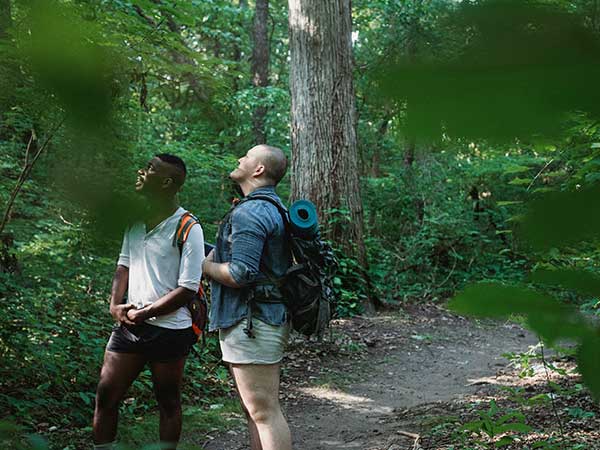
Preparing Men for Life After Treatment
Recovery is a lifelong process, rather than a single destination. We understand the process of establishing strong recovery and supporting clients by helping them prepare for life after treatment. Our ongoing care planning lines up the resources men can use after leaving our care to support their overall health, wellness, and sobriety. Our alumni program offers regular meetings with people of similar life experience and in-person events throughout the year. We also help clients learn when and how to reach out for additional treatment if needed.
Insurance and Admissions
We want to make it as easy as possible for people in need to get help as soon as they are ready. Therefore, we make it as easy as possible to get information about our services and verify your insurance benefits. As an in-network provider with most insurance plans, Foundry Steamboat is a highly accessible resource for most men in Colorado and Wyoming.
- Contact Our Team: Call us for a confidential conversation.
- Assessment: Our compassionate, skilled clinicians evaluate your addiction history and medical needs.
- Insurance Verification: We confirm coverage with major providers like Blue Cross Blue Shield, Aetna, Cigna, United Healthcare, and Rocky Mountain Health, and more.
From your first call to your first day of treatment, our admissions team walks with you every step of the way. Insurance verification is free and confidential. Oftentimes, insurance covers the full cost of our care, and clients using insurance have no or low out-of-pocket treatment costs.


Start Your Recovery from Cannabis Addiction Today
Please do not ignore or face cannabis addiction alone. Recovery is possible with the right treatment, environment, and a team with the skills, experience, and compassion to help you heal.
Our team is available 24/7 to answer your questions, verify your insurance, and help you take the first step toward lasting recovery.
Frequently Asked Questions About Cannabis Addiction Treatment
What is cannabis use disorder?
Cannabis use disorder is a clinical diagnosis characterized by a pattern of cannabis use that causes significant impairment or distress, including difficulty controlling use despite negative consequences. It exists on a spectrum from mild to severe and is recognized in the DSM-5 as a substance use disorder. It often co-occurs with underlying mental health conditions that can drive and sustain the pattern of use.
Can you recover from cannabis addiction?
Yes, many people with cannabis use disorder achieve meaningful, sustained recovery with appropriate clinical support. Recovery may involve behavioral therapies, peer support, and integrated psychiatric care where co-occurring conditions are present. A structured treatment program can help you build the skills and insight needed for lasting change.
What are the effects of cannabis addiction?
Heavy cannabis use can impair memory, concentration, motivation, and emotional regulation in ways that affect work, relationships, and overall functioning. Cannabis use disorder is associated with increased risk of anxiety, depression, and psychosis, particularly in people with a genetic predisposition. For some individuals, the psychological grip of cannabis can become as difficult to break as dependence on other substances.
How is cannabis cleared from the body?
THC is fat-soluble and stored in body tissue, meaning it clears more slowly than many other substances and can remain detectable in urine for days to several weeks depending on frequency of use. The liver metabolizes THC into compounds called metabolites, which are gradually excreted through urine and feces. There is no medically supported method to significantly accelerate this clearance process.
What is good for cannabis withdrawal?
Managing cannabis withdrawal typically involves staying hydrated, maintaining a consistent sleep schedule, and engaging in moderate physical activity. Clinical support, including therapy and medication to address specific symptoms like insomnia or anxiety, can make the process more manageable. Working with a treatment team ensures that co-occurring mental health symptoms surfacing during withdrawal are identified and addressed promptly.
What are the problems with cannabis?
Frequent or heavy cannabis use has been linked to impaired cognitive function, reduced motivation, and worsening of anxiety and mood disorders, particularly with high-potency products. Chronic use can disrupt sleep architecture and emotional regulation over time. For individuals with a history of trauma or mental health conditions, cannabis use can complicate recovery and mask underlying symptoms that need clinical attention.
What are 5 signs of cannabis use disorder?
Five common signs include: using more cannabis than intended or being unable to cut back despite trying; spending significant time obtaining or recovering from its effects; continuing to use despite negative effects on relationships, work, or mental health; giving up activities that were once important in favor of use; and experiencing cravings or withdrawal symptoms when not using. If several of these patterns feel familiar, speaking with a clinical professional can help clarify what level of support may be appropriate.
What damage does cannabis do to the body?
Regular cannabis smoking can irritate the airways and may contribute to chronic bronchitis symptoms. Heavy use has been associated with cannabinoid hyperemesis syndrome, a condition involving cyclical nausea and vomiting, and with disruption of the endocannabinoid system’s normal functioning over time. Mental health impacts, including increased risk of psychosis in vulnerable individuals, are among the most clinically significant concerns associated with long-term heavy use.
Is there anything you can take to help quit cannabis?
No medications are currently FDA-approved specifically for cannabis use disorder, though some may be used off-label to address withdrawal symptoms such as insomnia or anxiety under clinician guidance. Research into pharmacological options is ongoing. Behavioral therapies, including cognitive behavioral therapy and motivational enhancement therapy, have the strongest evidence base and form the foundation of most treatment approaches.
What are the 4 C’s of addiction?
The 4 C’s, Compulsion, Craving, Loss of Control, and Continued use despite Consequences, are a widely used clinical framework for understanding the behavioral hallmarks of addiction. Together, they describe a pattern in which use becomes driven by internal urges rather than conscious choice, persisting even when the person recognizes the harm it causes. This framework helps clinicians and individuals move beyond moral judgment toward a clearer understanding of what addiction actually looks like.
Does cannabis have any withdrawal symptoms?
Yes, cannabis withdrawal is recognized clinically and can include irritability, anxiety, sleep disturbances, decreased appetite, restlessness, and depressed mood. Symptoms typically begin within one to three days of stopping use and may last one to two weeks, though some individuals experience disrupted sleep for longer. While generally less physically acute than alcohol or opioid withdrawal, the psychological symptoms can be significant and benefit from clinical support.
How long does it take to feel normal after stopping cannabis?
Most people begin to notice stabilization in mood and sleep within two to four weeks of stopping cannabis use, though individual timelines vary based on frequency and duration of use. Cognitive function, particularly memory and concentration, may take longer to normalize, with gradual improvement possible over several months of abstinence. Professional support during this period can help you manage symptoms and address any underlying mental health conditions that surface as use stops.
What medication is used for cannabis withdrawal?
No medication is currently FDA-approved specifically for cannabis withdrawal, but clinicians may use supportive medications to address individual symptoms such as sleep aids for insomnia or non-habit-forming agents for anxiety. Some research has explored compounds like gabapentin and N-acetylcysteine, but none has reached the threshold for standard clinical recommendation. A prescribing clinician within a structured treatment program can evaluate your symptom picture and determine whether pharmacological support is appropriate.
How long does it take for cannabis receptors to return to normal?
Research suggests that cannabis-related changes to CB1 receptor density in the brain can begin to reverse within days to weeks of abstinence, with studies showing significant recovery within approximately four weeks. Full normalization may take longer depending on the duration and intensity of prior use, with continued gradual improvement possible over several months. This neurological recovery is one reason that sustained abstinence, supported by structured clinical care, can lead to meaningful improvements in mood, motivation, and cognitive clarity over time.