

Compassionate, Evidence-Based Care for Marijuana Addiction
Cannabis use disorder is a significant and growing problem throughout the United States. Despite antiquated beliefs that cannabis is harmless or cannot cause addiction, today’s high-potency cannabis products are vastly different from the naturally occurring plants that predate THC commercialization. High-potency THC products pose serious health risks, including addiction.
Cannabis use disorder can be particularly difficult to treat because THC can build up and persist in our bodies long after it is consumed, causing people to experience side effects for extended periods. Marijuana addiction can cause extensive physical and mental health problems and professional treatment is often required to achieve recovery.
The Foundry Stemaboat residential treatment center is particularly skilled at diagnosing and treating the complex problem of Cannabis Use Disorder (CUD) using a comprehensive approach. Our clinical team helps clients safely stabilize, understand how cannabis impacts their brain and body, and helps them learn how to manage emotions or underlying mental health conditions that lead them to use cannabis.

Understanding Cannabis Use Disorder
Cannabis Use Disorder is a diagnosable medical condition recognized by the American Psychiatric Association. It involves compulsive marijuana use despite negative impacts on physical health, mental health, and other areas of life, including work, relationships, and productivity.
Today’s high-potency industrialized marijuana is far stronger than naturally occurring plants consumed in the past. Some cannabis productshave THC concentrations exceeding 90 percent. Whether vaped, smoked, or eaten, cannabis products pose serious health risks, including heart problems, anxiety, paranoia, psychosis, hyperemesis, and more. The legalization of cannabis in many states, coupled with the promotion of medical marijuana uses (which are not substantiated by research), has led many people to believe that cannabis is not harmful. This belief may contribute to rising rates of cannabis use disorder and other health and public safety issues related to cannabis use.
CUD often develops gradually, whether through people using cannabis in social settings or as a means of coping with stress, anxiety, or sleeplessness. Many social groups and families have normalized the use of cannabis, which can make it harder to identify problematic use or seek treatment. Ongoing use of cannabis, especially high-THC products, can lead to dependence and many other problems.
Foundry Steamboat is especially skilled at identifying and treating CUD. Colorado and Washington were the first states to legalize recreational cannabis in 2012. Since thattime, we have been among the first to witness the unintended consequences of increased cannabis access among individuals and families. We are staunch advocates for cannabis reform and measures to educate and protect the public from the effects of cannabis use.
Our residential men’s program helps clients understand the effects of cannabis, how it causes systemic problems, and how to sustain recovery. In many cases, people use cannabis to relieve stress or social anxiety without realizing its potential risks. A major part of our treatment program is helping clients find healthy ways to feel less anxious and more able to engage with friends and family without relying on substances. We are also familiar with the unique challenges of treating CUD, including the need for extended periods of supervised stabilization as THC leaves the system and clients become ready to engage in comprehensive care.
Recognizing the Signs of Cannabis Addiction
While cannabis use has become more widespread and accepted in many places and family systems, identifying cannabis addiction can be difficult. There are some subtle and some overt ways of determining if legal cannabis use is becoming problematic.
Physical Signs
- Difficulty sleeping without cannabis
- Decreased appetite or nausea when not using
- Increased tolerance (needing more to feel the same effects)
- Fatigue, brain fog, or lack of motivation
- Bloodshot eyes and a persistent cough
- Cardiovascular complaints such as increased heart rate or blood pressure changes
Behavioral and Emotional Symptoms
- Using cannabis daily or multiple times per day
- Feeling anxious, irritable, or restless without it
- Neglecting work, school, or relationships
- Loss of interest in work, education, hobbies, or goals
- Hiding use from friends and loved ones

The Risks of Chronic Cannabis Use
Though often perceived as low-risk, long-term or high-dose cannabis use can have serious mental and physical health consequences.
Common risks include:
- Impaired memory and concentration
- Difficulty with motivation and executive function
- Anxiety, panic attacks, or psychosis
- Depression or mood instability
- Poor sleep quality and fatigue
- Heart rate, blood pressure, and blood vessel problems
- Increased risk of heart attack or stroke
- Some studies link cannabis use to schizophrenia
Research also links chronic cannabis use to increased risk of psychosis and can interfere with brain development, emotional regulation, and academic or work performance. CUD also places cannabis users and members of the public at greater risk of accidents, including while driving while impaired. Effective treatment helps educate users, helps them stop using cannabis, and teaches skills to maintain improved mental wellness without the need for cannabis or other substances.
Our Integrated Approach to Cannabis Addiction Treatment
Cannabis Use Disorder is a complex condition requiring a comprehensive treatment approach. As with the treatment of many substance use disorders, individuals often need to identify the root causes leading them to use substances in the first place. When it comes to cannabis, problematic use often results from attempting to self-medicate an undiagnosed and untreated anxiety or other mental health disorder. In other cases, people may feel the need to use cannabis to feel comfortable in social settings. In all cases, effective treatment focuses on the core issues that make people feel compelled to use cannabis despite experiencing negative consequences. We offer an integrated approach that addresses the physical and psychological aspects of CUD and helps clients resolve underlying problems to support lasting recovery.
1. Clinical Assessment & Stabilization
The Foundry Steamboat team conducts a medical and psychological assessment of each client to determine if they require specialized medical care or supervised stabilization before starting our residential treatment program.
While cannabis withdrawal isn’t typically life-threatening, symptoms such as cannabis-induced hyperemesis disorder, irritability, insomnia, and anxiety may require special attention before clients are able to engage in residential treatment. We help clients in need to comfortably stabilize before entering our residential milieu.
2. Residential Treatment
Our residential treatment provides individual psychotherapy, group therapy, psychoeducation, trauma therapy, family programming, nutritional education, recreation, fitness, life skills, and self-care programming.
We emphasize developing skills that help maintain a recovery-supportive lifestyle. A key aspect of this is helping men experiencing cannabis use disorder navigate friend groups and family systems that allow or encourage cannabis use. We also help men find ways to feel normal and relieve stress without relying on cannabis or other substances.
3. Dual Diagnosis & Mental Health Support
It is common for people with Cannabis Use Disorder to struggle with co-occurring mental health disorders, including anxiety, depression, or trauma. As a dual-diagnosis treatment provider, our clinicians are skilled at dealing with substance use and mental health disorders simultaneously.
Treating co-occurring mental health disorders is crucial to recovery because it helps to address teh underlying reasons that people often begin using substances. Good mental health is a pillar of successful recovery because people who feel normal or well have fewer reasons to feel compelled to use substances to reduce distress. If a man in our care started using cannabis to self-medicate persistent anxiety, he is unlikely to remain in recovery unless he no longer feels anxious. We understand the relationship between mental wellness and recovery and treat the underlying conditions that can prevent successful recovery.
4. Evidence-Based Therapies
Our licensed therapists employ proven modalities such as:
- Cognitive Behavioral Therapy (CBT): Identifying and reframing thoughts that lead to use.
- Motivational Interviewing (MI): Strengthening intrinsic motivation for change.
- Acceptance and Commitment Therapy (ACT): Cultivating mindfulness and emotional flexibility.
- Relapse Prevention Planning: Recognizing triggers and building personalized strategies for long-term success.
Trauma Therapies (EMDR, Somatic Experiencing): Trauma is a common problem for men with substance use disorder, and its resolution is crucial to recovery success.
5. Holistic & Experiential Therapies
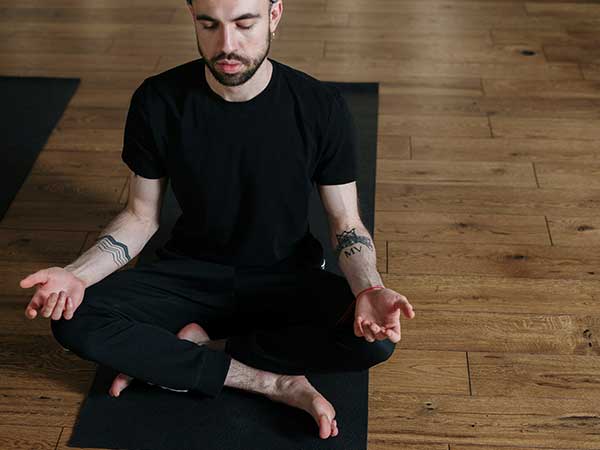
Our biological, psychological, and sociological approach to treatment addresses the entire person. Programming includes trauma-informed yoga, mindfulness, recreation, horticulture, and nutritional counseling to give men rounded care that helps them regulate their emotions and feel better without the need for substances.
Each client works closely with licensed clinicians and team members to develop the ability to manage cravings, rebuild physical and mental well-being, and prevent relapse.
Why Clients Trust Our Cannabis Recovery Program
Foundry Steamboat is one of Colorado’s most trusted treatment providers for men. Our care team is compassionate and skilled at helping men and their families and produces positive long-term outcomes.
Our program stands out because we offer:
- Significant experience treating Cannabis Use Disorder
- Evidence-based treatment grounded in science and psychology
- A beautiful, comfortable, and private ranch-like setting in Steamboat Springs, Colorado
- Licensed mental health and addiction specialists
- High-quality family programming for any identified family members
- Safe, comfortable, and private accommodations
- Comprehensive continuing care and alumni programming
We work to help clients stop using cannabis and stop feeling the need to use substances to lead a happy, fulfilling life.

The Path to Recovery: What to Expect
Recovery from Cannabis Use Disorder is a process that differs for each person. Our program supports each client’s journey:
1. Stabilization
Managing cannabis withdrawal symptoms and preparing to engage in residential programming.
2. Therapeutic Treatment
Identifying emotional triggers, developing coping skills, and building motivation.
3. Continuing Care
Supporting recovery by connecting clients to resources, support groups, and our alumni program.
Your recovery is supported by compassionate professionals who provide high-quality care, encouragement, and insight. We help clients learn to lead full and fulfilling lives without the need for cannabis.
Dual Diagnosis & Co-Occurring Conditions
Cocaine use often masks deeper emotional or psychological distress. Many clients turn to stimulants to cope with anxiety, trauma, or mood disorders. Without addressing these root causes, recovery can remain fragile.
Our dual-diagnosis approach integrates psychiatric care and therapy, providing tools to manage emotions and restore mental health. By healing both the addiction and the mind, we help clients sustain recovery with greater confidence and stability.

Life After Treatment
It takes time, work, and resources to maintain recovery. We help clients develop the roots of reliance in our program. However, each man we treat at Foundry Steamboat requires continuing care resources that help them continue their progress.
Our continuing care supports clients following residential treatment through:
- Virtual and in-person IOP options
- Connection to local accessible healthcare and recovery support resources
- Alumni programming
We help clients build sustainable recovery plans that support ongoing wellness, emotional stability, and fulfilling living.
Insurance and Admissions
We want to make it as easy as possible for people in need to get help as soon as they are ready. Therefore, we make it as easy as possible to get information about our services and verify your insurance benefits. As an in-network provider with most insurance plans, Foundry Steamboat is a highly accessible resource for most men in Colorado and Wyoming.
- Contact Our Team: Call us for a confidential conversation.
- Assessment: Our compassionate, skilled clinicians evaluate your addiction history and medical needs.
- Insurance Verification: We confirm coverage with major providers like Blue Cross Blue Shield, Aetna, Cigna, United Healthcare, Rocky Mountain Health, and all Colorado Medicaid plans.
From your first call to your first day of treatment, our admissions team walks with you every step of the way. Insurance verification is free and confidential. Oftentimes, insurance covers the full cost of our care, and clients using insurance have no or low out-of-pocket treatment costs.


Start Your Recovery from Cannabis Addiction Today
You don’t have to face cannabis addiction alone. With evidence-based treatment, compassionate support, and a community that believes in your potential, recovery is entirely within reach.
Our team is available around the clock to answer your questions, verify insurance, and help you take the first step toward a healthier, more balanced life.
Call today or complete our confidential form to begin your recovery journey from Cannabis Use Disorder.
Frequently Asked Questions About Alcohol Addiction Treatment
Yes. While not everyone who uses cannabis becomes addicted, frequent, heavy use can lead to dependence, withdrawal symptoms, and impaired functioning — especially with today’s high-potency strains.
Common symptoms include irritability, insomnia, anxiety, depression, and changes in appetite. These typically resolve within a few weeks under proper care.
If you experience withdrawal symptoms when not drinking, medical detox is strongly recommended for safety and comfort before entering a treatment program.
Yes. With professional care, most individuals achieve lasting recovery. Treatment success improves when both mental health and substance use issues are addressed together.
Call us directly or fill out our confidential online form. Our team will verify your insurance, explain your options, and help you start the admissions process within hours.